Aneesh Sathe
Rejected In Paris
Blog
July 9, 2025

I got told off by The Paris Review today. Maybe it wasn’t necessarily directed at me, but as they say in the, now old, new lingo, I felt attacked. You see, recently, drawing on the well of inspiration that is history I succeeded in writing a poem, but not just any poem. I wrote a ghazal. Those who know me for any amount of time are made aware of my taste for writing poetry. It’s usually pretty bad but I persist, cause why not. The OG is long gone anyway. The ghazal is an especially ambitious type of poetry to be taken up my someone with my modest talents. To make matters worse, as I learned …
Social Internet – Lost and Hungry
Essay
July 8, 2025
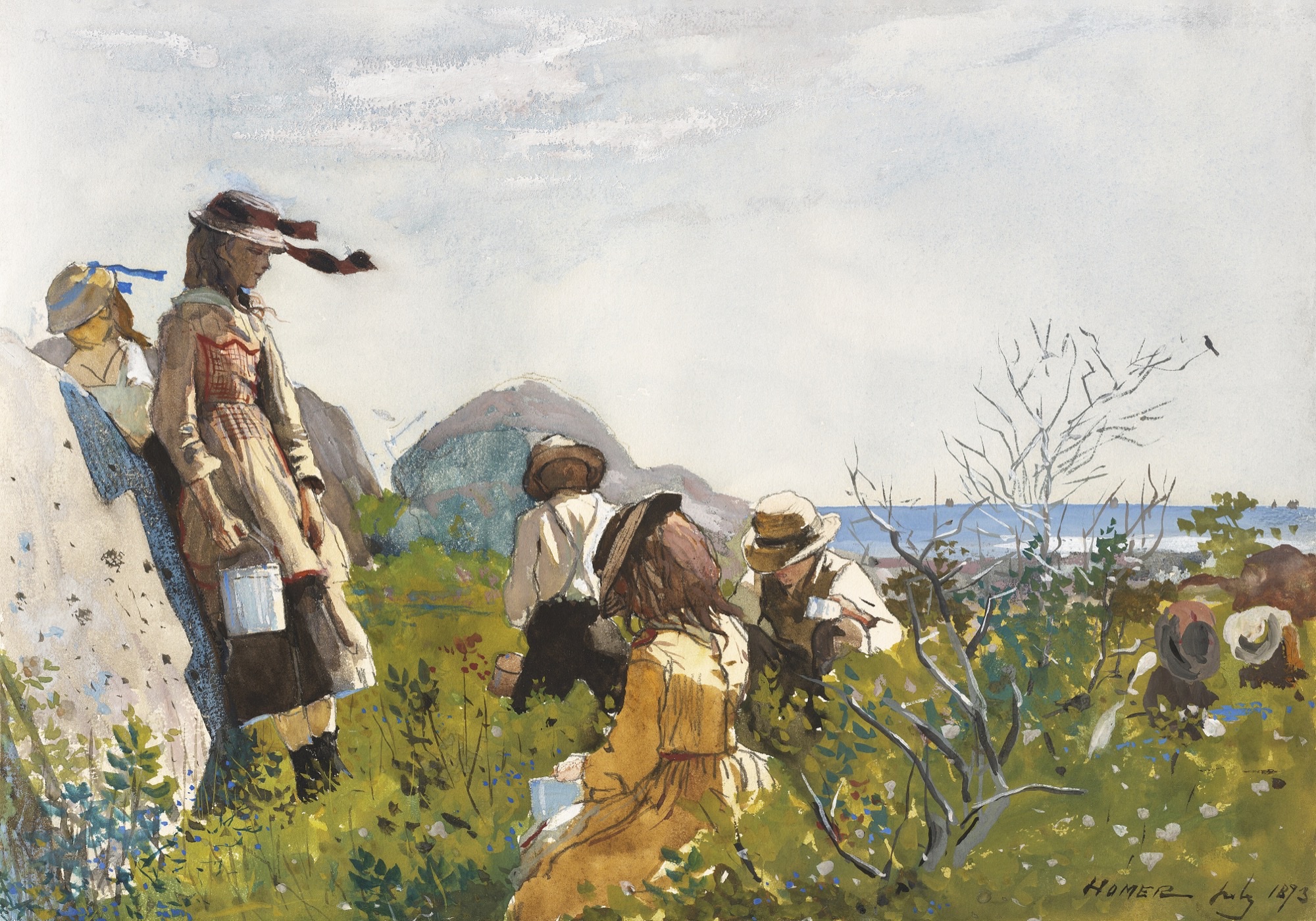
When printing was invented, Europe suddenly had access to all the books that had existed until that point in history. This included everything from mystical texts to astronomical observations. Having no guides to judge quality, some people went off on the deep end. Giordano Bruno is sometimes referred to as the forefather of modern cosmology. He was not. An extreme case, he took mystical click-bait, mixed it with the then-contemporary Copernican theories, and, without any data, invented the infinite universe. Eventually, culture adapted and people started to compare and organize all the data. …
The Mind as Semi-Solid Smoke
Essay
July 7, 2025
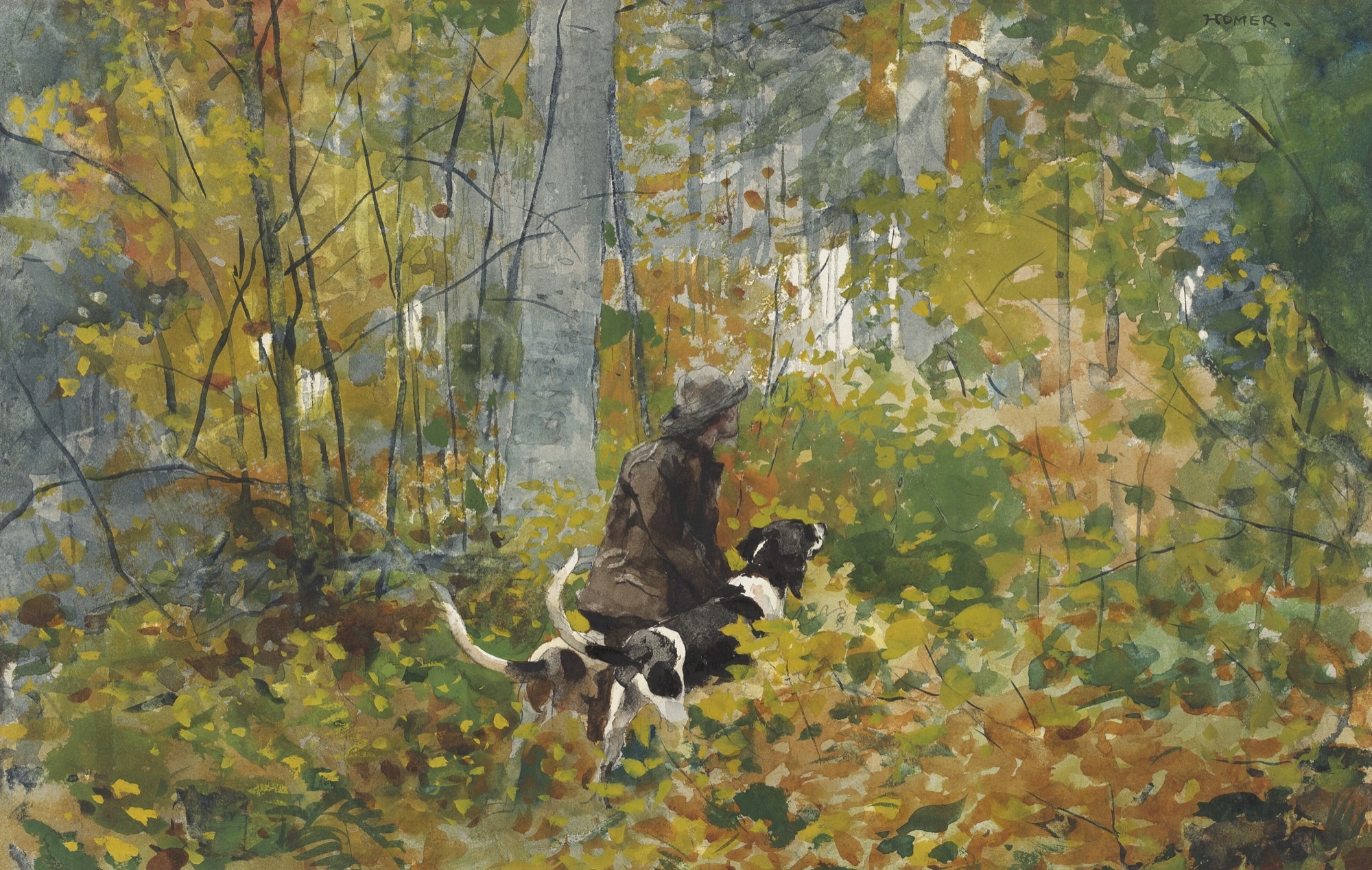
This post continues the series on Socratic Thinking, turning the space-and-place lens inward to examine the mind itself. Human minds can be thought of as an imperfect place with the ability to create their own insta-places to navigate ambiguity. Exploration in any real or conceptual space needs navigational markers with sufficient meaning. Humans are biologically predisposed to seek out and use navigational markers. This tendency is rooted in our neural architecture, emerges early in life, and is shared with other animals, reflecting its deep evolutionary origins 1,2 . Even the simplest of …
Thinking with places
Essay
July 6, 2025
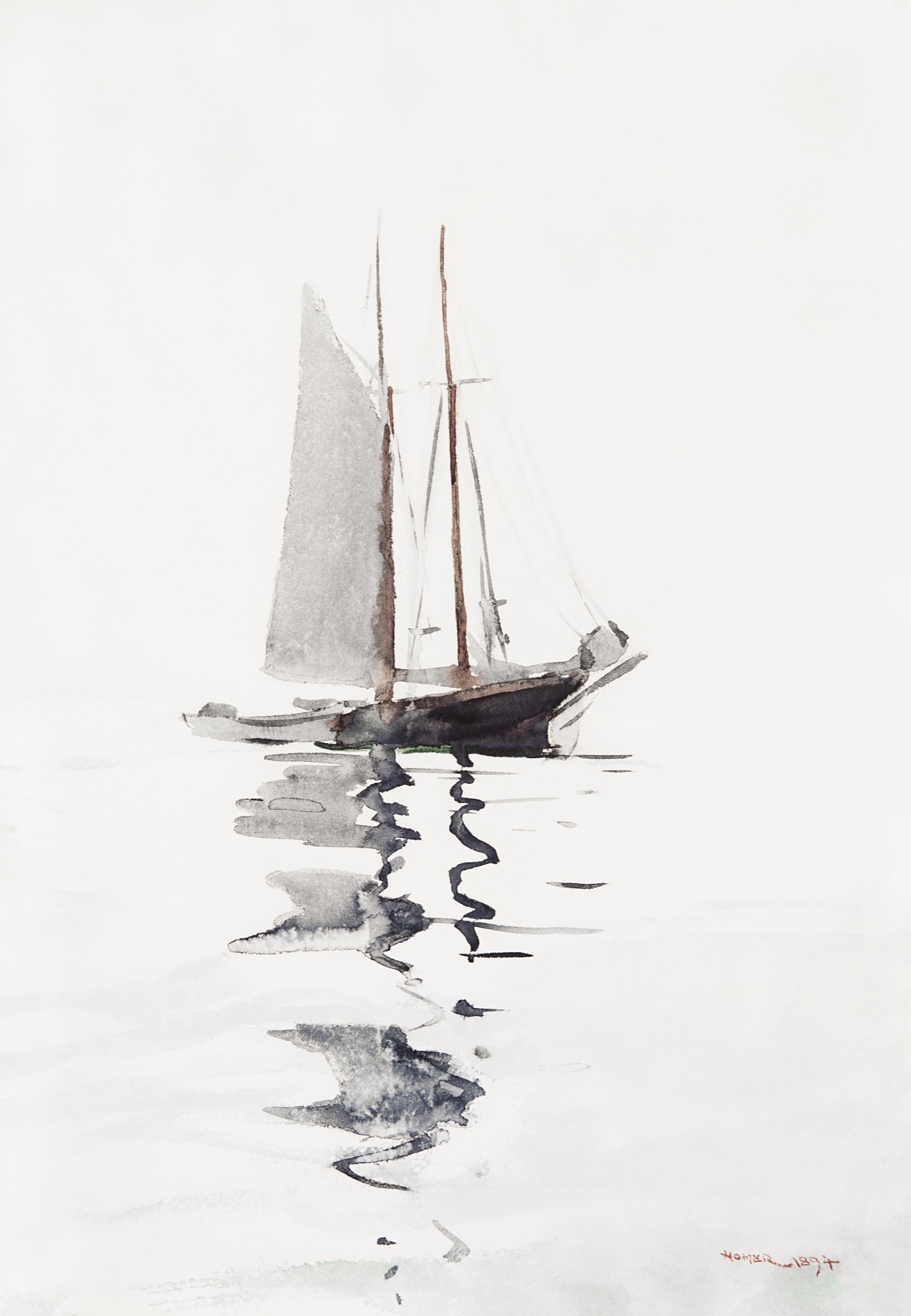
“A farmer has to cut down trees to create space for his farmstead and fields. Yet once the farm is established it becomes an ordered world of meaning—a place—and beyond it is the forest and space.” — Yi-Fu Tuan Thinking itself is place-making: the act of converting undifferentiated possibility into navigable meaning. A place comes into being the moment we interrupt undifferentiated space. Place-making is fundamentally an act of interruption. Space is thought of as possibility but is unavailable without the signposts of place. When a place is created we impose a way of looking, being, and …
Chatbots, Bats & Broken Oracles
Essay
July 5, 2025
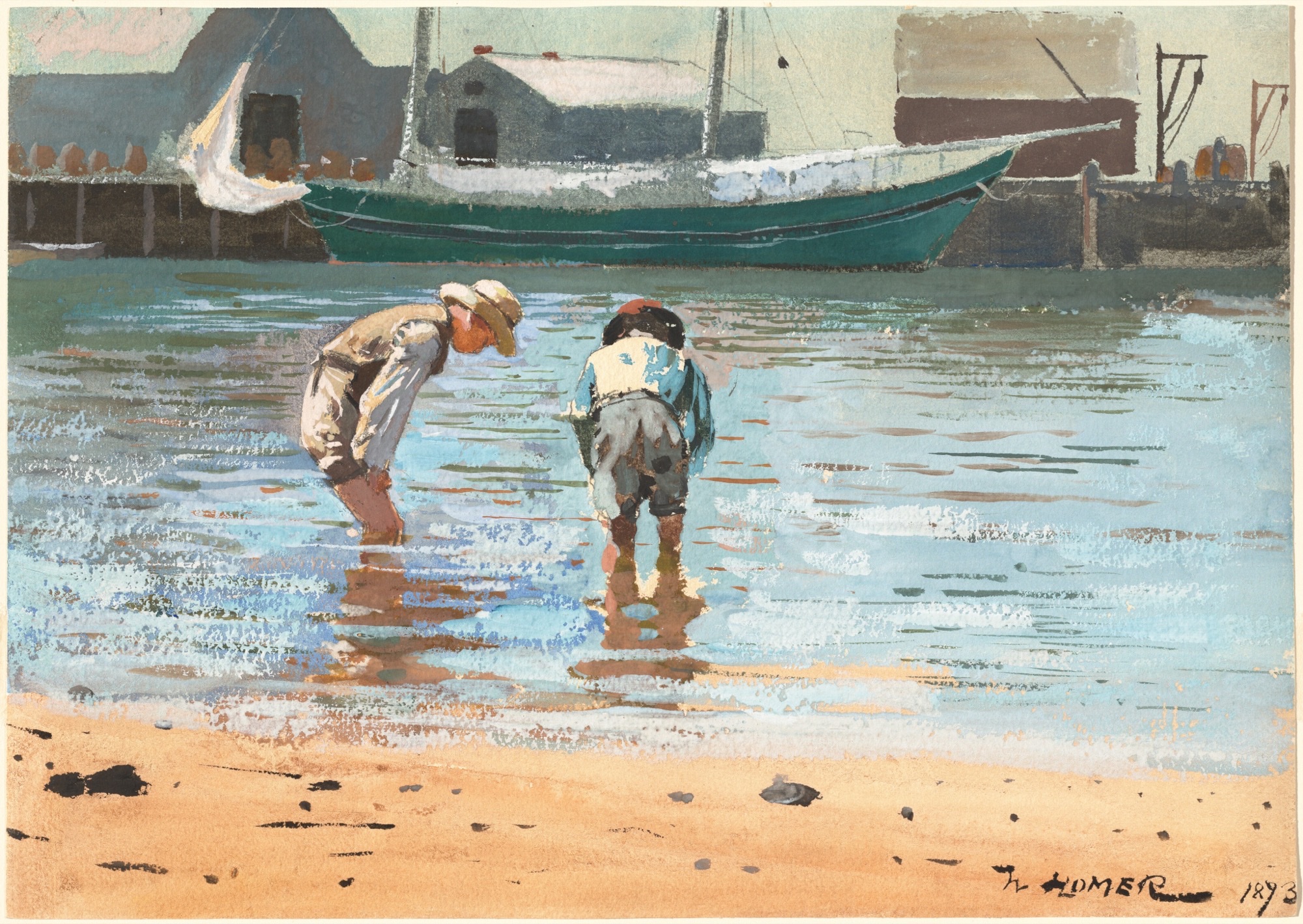
I had the strangest conversation with my son today. There used to be a time when computers never made a mistake. It was always the user that was in error. The computer did exactly what you asked it to do. If something went wrong it was you, the user, that didn’t know what you wanted. After decades of that being etched in today I found myself telling him that computers make mistakes, you have to check if the computer has done the right thing and that is actually ok. A computer that hallucinates also provides a surface for exploration and seeking answers to questions.